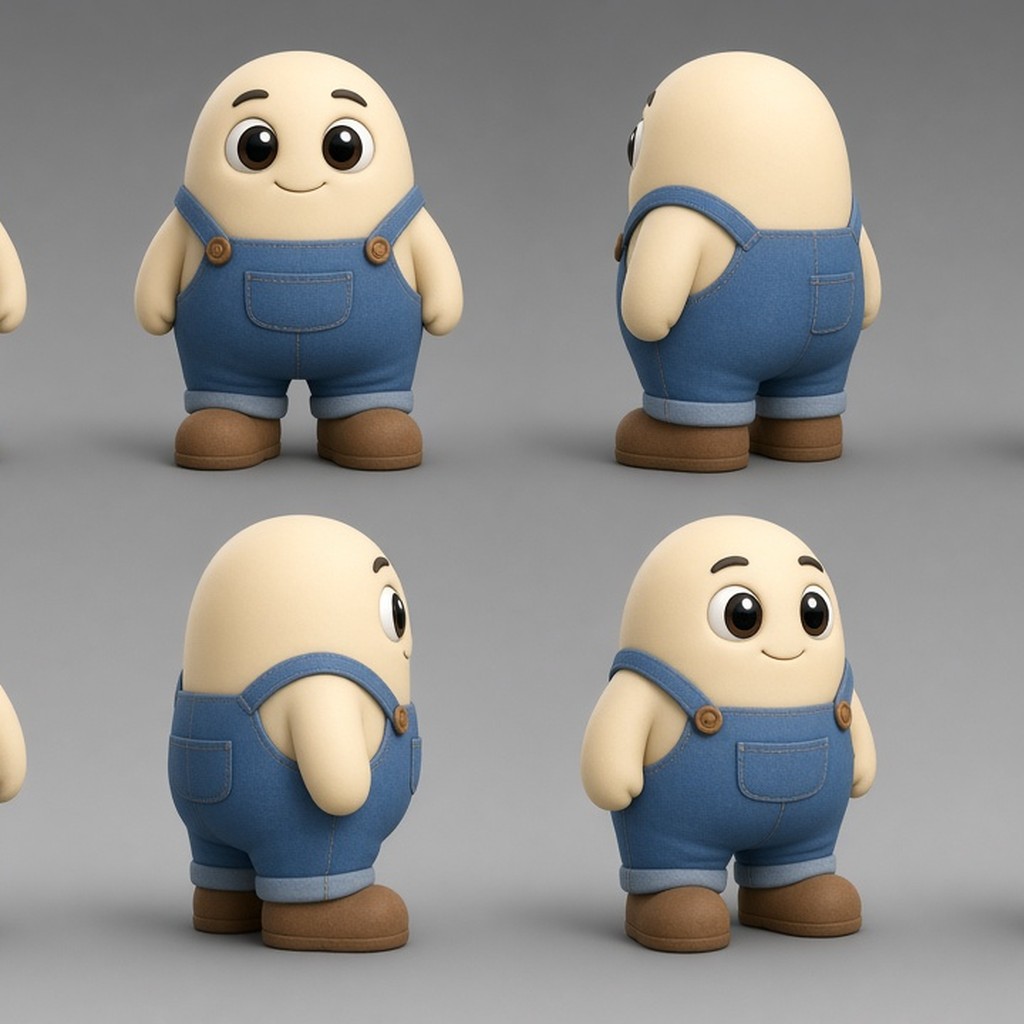
A blind box is a sealed collectible package that hides which character or variant you receive until you open it. Brand buyers and licensing teams treat it as a multi-SKU product system: a series roster, rarity and chase rules, packaging that protects paint in transit, and factory controls that keep every unit consistent.
This page answers “what is a blind box” from a manufacturer’s seat—how series are built and what to prepare before an OEM/ODM quote. For production capabilities and MOQ, see our custom blind box manufacturer page. For end-to-end process detail, use the custom blind box manufacturing guide.
What is a blind box? Direct answer
In collectible toys, a blind box is a closed package sold as part of a numbered or themed series. The outer pack usually shows the full lineup or key art, while the inner tray or bag conceals the specific figure. Buyers purchase for the chance to complete a set, chase rare variants, or simply enjoy the reveal. Brands use the format to drive series engagement, retail facing, and online “unboxing” content—while factories treat it as a multi-SKU injection, paint, and pack-out program under one series identity.
Blind boxes are related to—but not identical with—“mystery bags” or randomized multipacks. What matters for manufacturing is that several SKUs share tooling families, color standards, and pack structures, and that the random assortment rules are documented so cartons and cases match what marketing promised.
How a blind box series is usually built
Most brand programs follow a simple architecture:
- Series roster: a fixed set of characters or poses (often with one or more chase or secret variants).
- Common vs. rare ratio: a published or retail-facing odds story that the factory must translate into case packing ratios.
- Shared platform: similar size, base, and paint complexity so molding and decoration stay efficient.
- Outer + inner packaging: a branded outer box (or bag) plus an opaque inner that protects paint and keeps the surprise intact.
From the factory view, “one series” is really a family of tools, color chips, assembly steps, and pack SKUs that must stay aligned across reorders. Changing a chase ratio mid-run without updating case packs is a common source of retail complaints—so lock assortment rules before mass production.
Blind box vs. open-window figures
Open-window collectibles show the exact figure on the shelf. Blind boxes trade visibility for discovery. That choice affects more than marketing copy:
- Packaging: outers need strong print and tear resistance; inners must hide the figure without crushing spears, ears, or translucent parts.
- QC messaging: customers cannot “pick the good one,” so factory paint and assembly consistency matter more, not less.
- Logistics: case assortments and display trays become part of the product brief, not an afterthought.
- After-sales: brands often plan duplicate-trade or online “complete the set” paths; factories still ship physical SKUs to the agreed ratios.
If your brief mixes blind and window SKUs in one launch, say so early. Tooling can be shared; pack engineering usually cannot.
What OEM buyers should prepare before RFQ
A clear RFQ shortens sampling loops. Bring at least:
- Concept art or 3D files for each character (client-owned designs or files you are authorized to manufacture).
- Target size, material preference (often PVC for character faces; ABS for rigid parts—confirm per part), and finish level.
- Series map: regulars, chases, and whether accessories differ by SKU.
- Packaging direction: single blind box, display tray, shipper, and any window or foil needs.
- Markets and compliance targets you need the factory to support with documentation you will approve (do not assume certificates until reports are confirmed).
- Forecast style: first drop quantity intent and whether reorders are likely—exact commercial terms are confirmed in quotation, not guessed in a blog.
Hanyang Toy works as an OEM/ODM partner for custom collectible programs. We do not claim ownership of customer IP. Manufacture only proceeds on designs you own or are licensed to produce. For process stages from design freeze through sampling and mass production, see our customized manufacturing process.
Manufacturing stages that matter for blind boxes
The stages mirror other custom figures, with pack-out emphasis:
- Design for manufacture (DFM): part splits, undercuts, and paint masks that still look good at series scale.
- Prototyping / samples: approve silhouette, joints (if any), and paint masters before steel is treated as final.
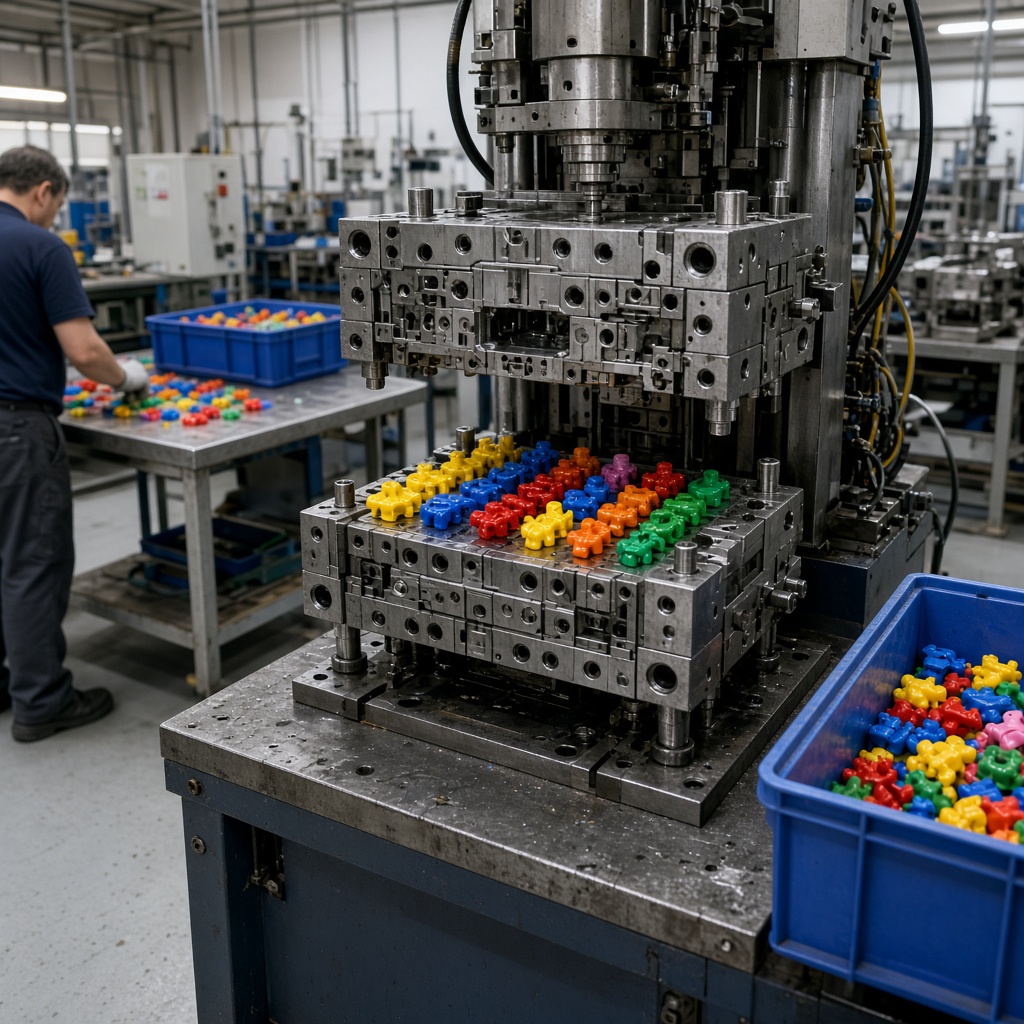
- Tooling: multi-cavity plans when volumes justify them; keep chase parts honest in the tool list.
- Decoration: pad print, spray, or hand touch-up standards that hold across SKUs.
- Assortment & pack-out: sealed inners, correct outer print versions, tray counts, and case ratios matching the series sheet.
- Outgoing QC: paint, flash, seal integrity, and barcode/lot labels as specified in your pack brief.
Packaging is often the difference between a clean unboxing video and a crushed ear on arrival. For structure options brands commonly brief (window boxes, blisters, inserts), see custom toy packaging.
Common mistakes brand teams make
- Odds without a packing plan: marketing rarity that never gets translated into case composition.
- Late packaging: figure samples approved while the outer still has no dieline or material callout.
- IP ambiguity: asking a factory to “make something that looks like” a third-party character without clear rights—factories should refuse; bring original or licensed files.
- One sample for many SKUs: approving a hero character and assuming every chase will match without paint standards per SKU.
- Ignoring reorder steel: planning a viral first drop with no note on how tools and color chips will be stored for round two.
How to brief Hanyang Toy for a blind box program
Share your series sheet, files, and pack goals through the inquiry form. Our team will respond with clarifying questions on materials, decoration, and packaging—then sampling and production planning once the brief is clear. Prefer a structured start? Use the inquiry form on our contact page and mention “blind box series” in the message so the request routes correctly.
You can also review capability context on the custom blind box page before you write the brief.
FAQ: Blind boxes for brand buyers
What is a blind box in simple terms?
It is a sealed collectible package where the specific figure or variant inside is unknown until opened, usually sold as part of a series with known characters and optional rare chases. From a manufacturer’s view, that means a shared series identity across multiple SKUs, pack structures, and assortment ratios.
Are blind boxes only for consumers?
Consumers buy them; brands and licensors commission them. B2B work is about OEM/ODM manufacturing, assortment control, and packaging that supports retail or direct-to-fan channels.
What files does a factory need to quote a custom blind box?
Character art or 3D, size targets, material notes, series roster with rarity intent, and packaging direction. Commercial details such as quantity and timeline are confirmed in the quotation after the brief is reviewed.
Can one mold family cover an entire series?
Sometimes shared bases or bodies help, but unique heads, props, or silhouettes usually need their own cavities or inserts. Your DFM review should list which parts are shared versus unique.
How do chase variants affect production?
Chases add SKUs, paint standards, and packing ratios. They should appear on the series sheet and case-pack plan before mass production so cartons match the odds story you publish.
Does Hanyang Toy design original IPs for brands?
We support OEM/ODM manufacturing around client-owned or client-authorized designs. Bring your creative or licensed files; we help turn them into producible parts, samples, and packaged goods.
How is a blind box manufacturer different from a retail blind-box brand?
Retail brands own or license the IP and sell sealed units to fans. A blind box manufacturer (OEM/ODM) produces those units for brands that bring client-owned or authorized designs—tooling, paint, assortment, and packaging under the brand’s brief. Hanyang Toy works OEM/ODM only; we do not claim customer IP.
Next step
If you are planning a blind box drop and need a manufacturing partner, request a quote via our inquiry form. Include series count, target size, and packaging notes so we can respond with practical next steps.